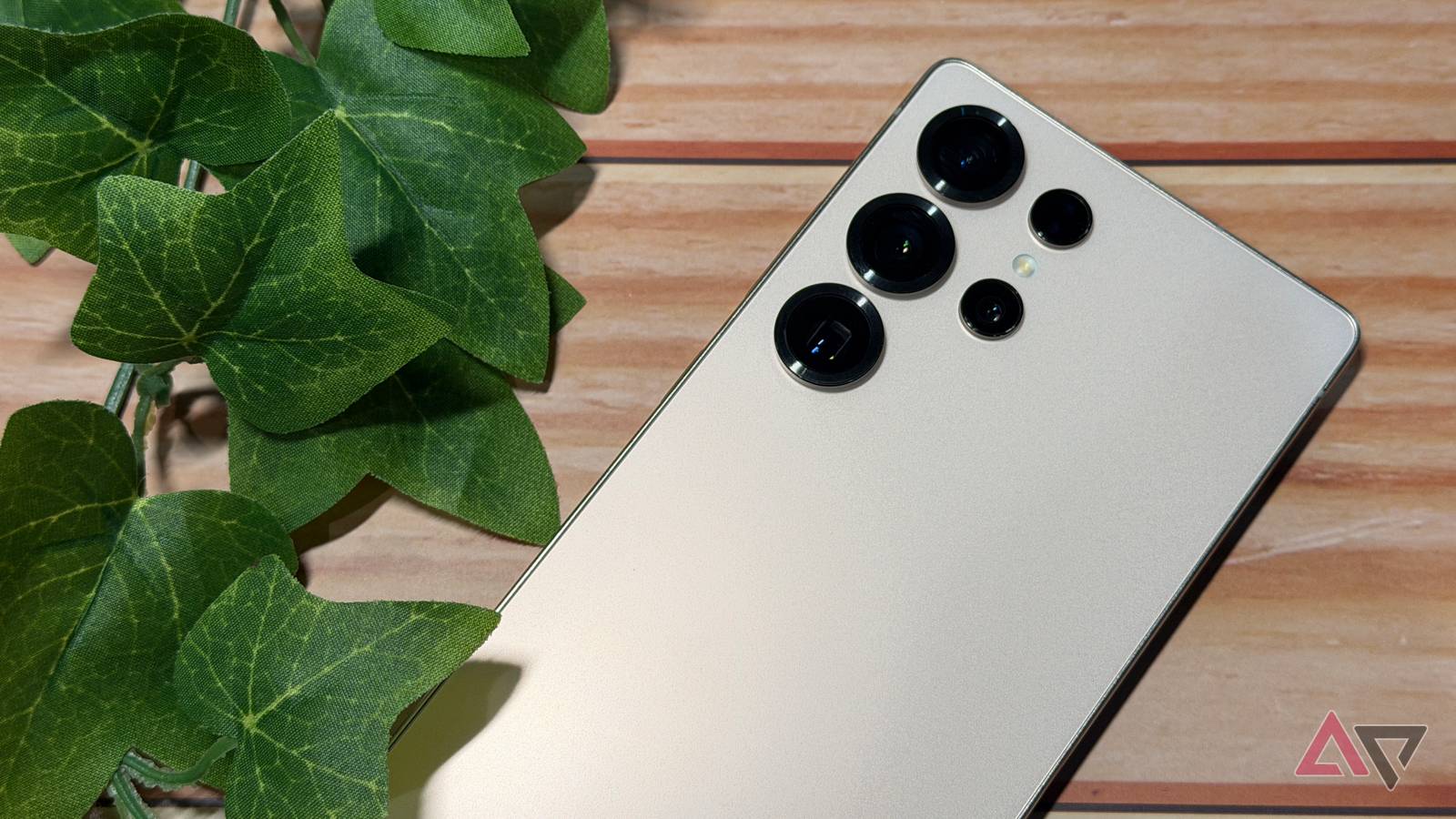
Samsung has been beta testing Android 16 QPR2-based One UI 8.5 for the Galaxy S25 family for a few months now. Public beta testing began in early December, and the company has launched eight beta versions so far. Unfortunately, if you were hoping for a stable launch someday, that may not happen.
Reliable Samsung leakster Tarun Vats says Samsung will launch the stable version of One UI 8.5 for the Galaxy S25 in Korea on April 30. That’s three weeks from now. Internationally, the rollout is expected to begin on May 4 based on Samsung’s One UI update release schedule starting in 2025.
Samsung has released the stable version of One UI 8.5 with the Galaxy S26 series in early March. So, the delay suggests that the company wants to keep the update exclusive to its new flagship product for a few months. While a few weeks of exclusivity would have been enough, a two-month delay is sure to disappoint many S25 owners.
On the bright side, One UI 8.5 will bring some Galaxy S26 features to the S25. This includes call screening and other “usability improvements (translated).” This will be in addition to other improvements that One UI 8.5 packs, such as UI enhancements and additional customization options.
Although not mentioned in the leak, the Galaxy Z Fold 7, Flip 7, and compatible older Galaxy flagship phones will also get the One UI 8.5 stable update in early May or later this month.
The launch of One UI 8.5 raises more questions than answers
While One UI 8.5 isn’t as big an update as One UI 8, it’s still disappointing to see Samsung maintain an exclusive build for its flagship for almost two months. This defeats the company’s entire goal of shifting its development cycle to be more aligned with Google for faster update rollouts.
With Android 17 reaching platform stability after its Beta 3 release in March, Samsung will likely shift its focus to One UI 9 after completing the rollout of One UI 8.5. Based on the company’s past track record, the beta is expected to land only on the Galaxy S26 series initially.
PakarPBN
A Private Blog Network (PBN) is a collection of websites that are controlled by a single individual or organization and used primarily to build backlinks to a “money site” in order to influence its ranking in search engines such as Google. The core idea behind a PBN is based on the importance of backlinks in Google’s ranking algorithm. Since Google views backlinks as signals of authority and trust, some website owners attempt to artificially create these signals through a controlled network of sites.
In a typical PBN setup, the owner acquires expired or aged domains that already have existing authority, backlinks, and history. These domains are rebuilt with new content and hosted separately, often using different IP addresses, hosting providers, themes, and ownership details to make them appear unrelated. Within the content published on these sites, links are strategically placed that point to the main website the owner wants to rank higher. By doing this, the owner attempts to pass link equity (also known as “link juice”) from the PBN sites to the target website.
The purpose of a PBN is to give the impression that the target website is naturally earning links from multiple independent sources. If done effectively, this can temporarily improve keyword rankings, increase organic visibility, and drive more traffic from search results.